


The Challenge of Regulating in Fragile Contexts
Regulatory authorities in fragile and transitioning contexts face a unique set of challenges. They are often established with high expectations but limited resources, operating in environments where institutions are weak, political dynamics are complex, and public trust is low. Yet these authorities are expected to deliver effective regulation—protecting citizens, enabling markets, and building confidence in new systems.
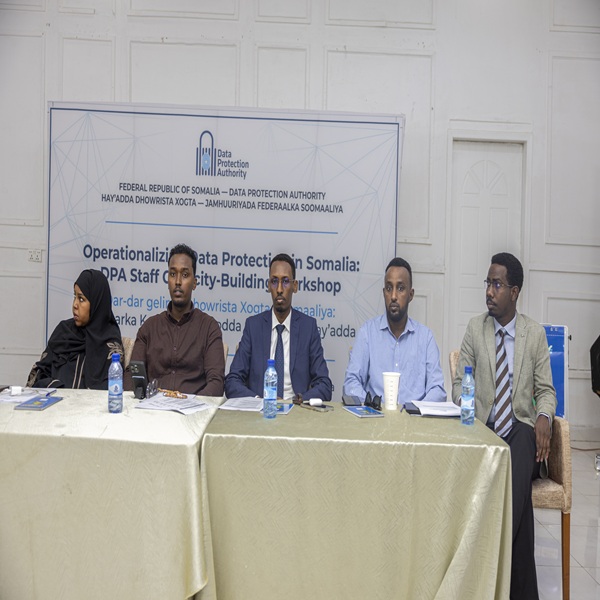
Somalia’s experience with its Data Protection Authority, National Electricity Authority, and other regulatory bodies offers valuable lessons for building effective regulators in fragile contexts. Drawing on Horn Associates’ work supporting regulatory development in Somalia, this briefing note identifies practical strategies for success.
Practical Strategies for Success
- Prioritise Institutional Capacity Building from Day One — Regulatory authorities cannot afford to wait until they are fully staffed and resourced before beginning operations. Invest in staff training, develop clear operational procedures, and build the technical systems required for effective regulation.
- Engage Stakeholders Early and Often — Effective regulation requires trust and cooperation from regulated entities, citizens, and other stakeholders. Consult on regulatory design, communicate mandate and approach clearly, and establish mechanisms for feedback and accountability.
- Build Incrementally — Adopt a phased approach—starting with clear priorities and achievable objectives, then expanding scope over time. A focused approach allows the authority to build capacity, demonstrate effectiveness, and learn from experience.
- Leverage International Experience — Partner with established regulators in similar contexts, participate in regional networks, and draw on international guidance while adapting approaches to local realities—what works elsewhere may not work in Somalia without appropriate adjustment.
- Build Political Support While Protecting Independence — Success requires political support while also protecting regulatory independence. Engage with political leaders, demonstrate value, and build a reputation for professionalism and integrity through transparent decision-making.
The Role of Development Partners
Development partners play a critical role in supporting regulatory development. Effective support includes: long-term commitment rather than short-term projects; technical assistance that fills immediate gaps while building local capacity; flexible and adaptive programming that responds to changing circumstances; support for institutional ownership rather than imposing external models; and facilitation of peer learning and networking among regulators across the region.

Conclusion
Building effective regulators in fragile contexts is challenging, but not impossible. Success requires a clear focus on institutional capacity building, strategic stakeholder engagement, and a phased approach that builds credibility and competence over time. Drawing on international experience while adapting to local realities is essential, as is sustained support from development partners.
Somalia’s journey in building its regulatory institutions offers important lessons for the region and beyond. While challenges remain, the progress made demonstrates that effective regulation is achievable in even the most challenging environments—with the right strategies, commitment, and support.
“Effective regulation in fragile contexts is not about perfect laws—it is about building institutions that can learn, adapt, and earn the trust of the people they serve.”Ismail Farah
About the Author
Ismail Farah is the Legal Expert of Horn Associates, with extensive experience in governance reform, institutional development, and regulatory advisory in Somalia and the Horn of Africa. He leads the firm’s legal and policy advisory practice, working closely with governments, regulators, and development partners to design and operationalise legal frameworks that are enforceable, understandable, and durable in practice.